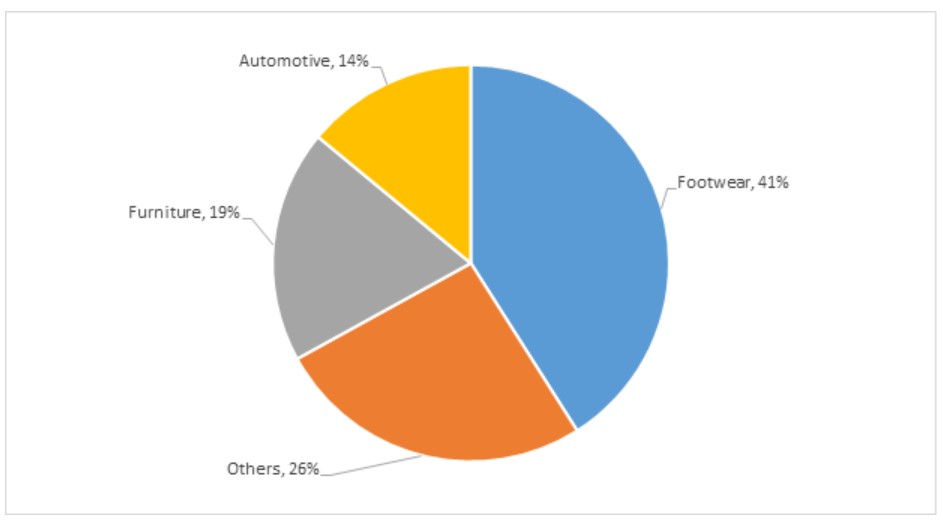
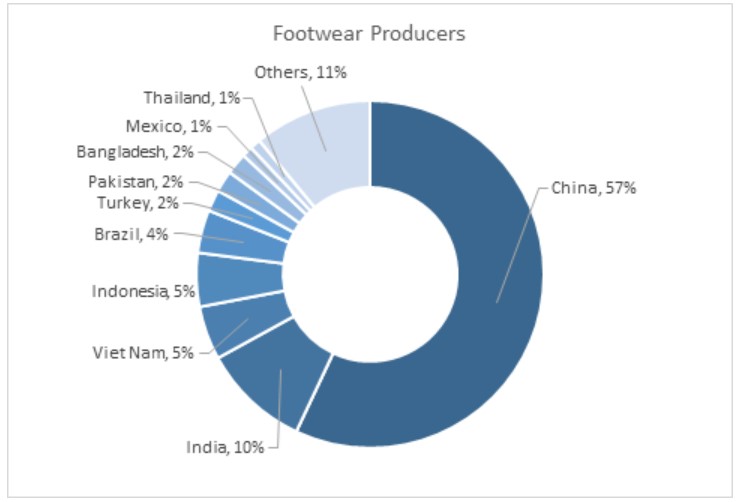
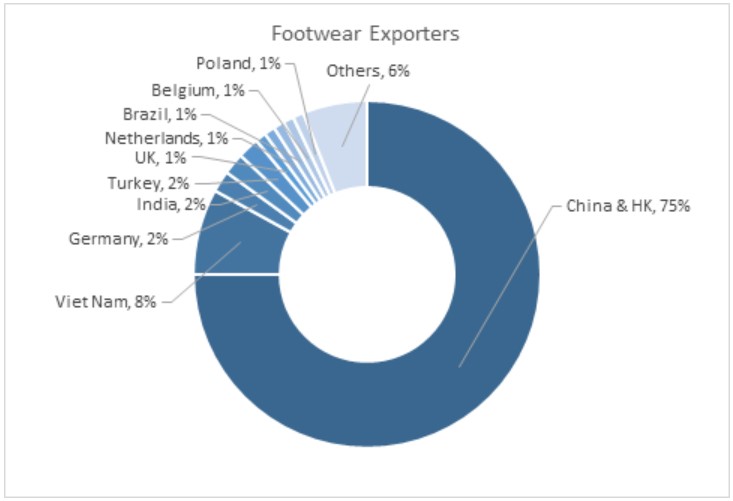
Synthetic leather, also referred to as faux leather, is taking the industry by storm. Leather has always been a luxurious choice for many people, who wish to use it as a fabric for clothing, footwear or upholstery. However, the rising cost of genuine leather and the ever-increasing awareness of animal cruelty norms has fortunately paved the way for the development of man-made leather. Synthetic leather is a more cost-effective and animal-friendly substitute, which has almost all the same qualities of genuine leather.
Over the years, the Indian textile sector had all the tailwinds the businesses needed with large-scale investments coming in across the value chain. As a result, the scale of conventional textiles in India has grown. However, in spite of the growing demands of domestic and international markets, the conventional textiles sector is highly saturated. It is facing challenges such as high competition levels, high inflation rates, less control over prices and a decrease in profitability levels.
As our country is transforming into a developed nation, huge emphasis is being laid down in incorporating the latest technologies in various fields. Since the conventional textiles industry has reached a level of saturation in terms of development, innovation and value-addition, there is a dire need to explore other segments.
The need of the hour for India’s textile industry is to expand in niche segments and make the industry globally competitive. In the present scenario, the segment of technical textiles poses great potential for upgrading the Indian textile industry. It consists of an array of high-engineered niche products, where textiles provide a functional edge, rather than just acting as a surface. The most talked about alternative in the leather industry, synthetic leather, lies amongst the pool of technical textiles.
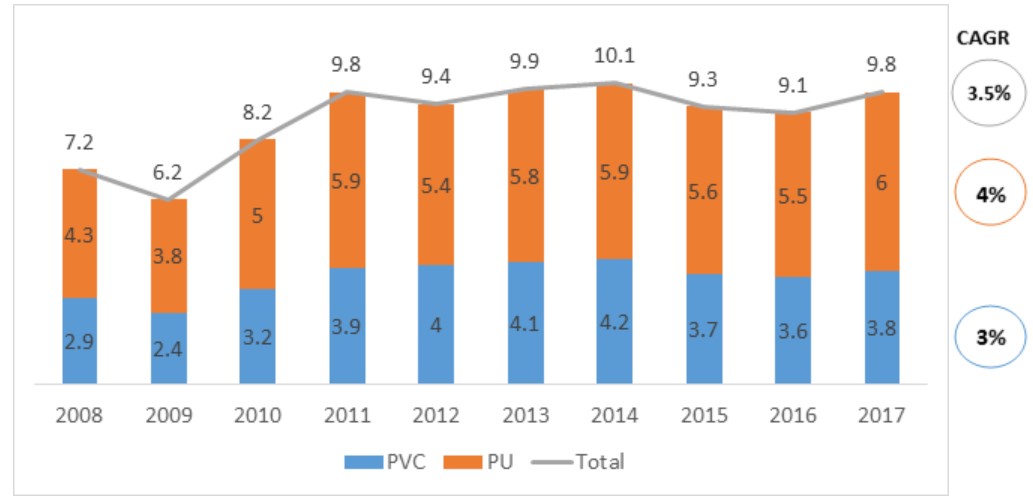
Classified as a coated fabric, synthetic leather is commonly of two types – Polyurethane (PU) based and Polyvinyl Chloride (PVC) based. It is manufactured by coating a base fabric, which can be woven, knitted or nonwoven; with any of the two mentioned polymers.
Betzoid Portugal Explora as Características dos Novos Casinos Online
A indústria dos jogos online em Portugal tem experimentado uma transformação significativa nos últimos anos, especialmente após a regulamentação do setor em 2015. Esta evolução trouxe consigo uma nova geração de casinos online que se distinguem pela inovação tecnológica, experiência do utilizador aprimorada e conformidade rigorosa com as normas regulamentares portuguesas. Compreender as características distintivas destes novos operadores é fundamental para perceber o rumo que o mercado está a tomar.
Evolução Histórica do Mercado Português de Jogos Online
O panorama dos jogos online em Portugal sofreu uma mudança radical com a aprovação da Lei n.º 66/2015, que estabeleceu o regime jurídico dos jogos e apostas online. Esta legislação pioneira na Europa criou um quadro regulamentar robusto, supervisionado pelo Serviço de Regulação e Inspeção de Jogos (SRIJ), que permitiu o licenciamento de operadores privados pela primeira vez na história do país.
Antes desta regulamentação, o mercado português estava restrito ao monopólio estatal, com a Santa Casa da Misericórdia de Lisboa como único operador autorizado. A abertura do mercado resultou numa explosão de novos operadores, cada um trazendo características únicas e inovadoras para atrair os jogadores portugueses. Esta concorrência saudável impulsionou a qualidade dos serviços e a diversificação da oferta de jogos.
Os dados do SRIJ revelam que, desde 2016, mais de 20 operadores obtiveram licenças para operar em Portugal, representando um investimento superior a 100 milhões de euros no mercado nacional. Este crescimento exponencial reflete não apenas a procura dos consumidores, mas também a confiança dos operadores internacionais na estabilidade regulamentar portuguesa.
Características Tecnológicas Distintivas dos Novos Operadores
Os novos casinos online que entraram no mercado português destacam-se pela implementação de tecnologias de última geração. A utilização de inteligência artificial para personalização da experiência do utilizador tornou-se uma característica padrão, permitindo recomendações de jogos baseadas no comportamento e preferências individuais de cada jogador.
A tecnologia blockchain também começou a ser integrada por alguns operadores mais inovadores, proporcionando maior transparência nas transações e garantindo a integridade dos resultados dos jogos. Esta implementação representa um avanço significativo em termos de confiança e segurança, aspetos cruciais para os jogadores portugueses.
Para uma análise mais aprofundada das características específicas destes novos operadores, a plataforma https://betzoid.com/pt/novos/ oferece uma perspetiva detalhada sobre as inovações que estão a moldar o mercado português. A compatibilidade móvel representa outra característica fundamental, com todos os novos operadores a desenvolverem aplicações nativas ou versões móveis otimizadas que permitem uma experiência de jogo fluida em dispositivos móveis.
A implementação de sistemas de pagamento instantâneo, incluindo carteiras digitais e criptomoedas, demonstra a adaptação destes operadores às preferências modernas dos consumidores. Métodos como MB WAY, Multibanco e transferências bancárias instantâneas tornaram-se padrão, reduzindo significativamente os tempos de processamento de depósitos e levantamentos.
Conformidade Regulamentar e Proteção do Jogador
Uma das características mais marcantes dos novos casinos online em Portugal é o rigoroso cumprimento das normas de proteção do jogador estabelecidas pelo SRIJ. Todos os operadores licenciados devem implementar ferramentas de jogo responsável, incluindo limites de depósito, auto-exclusão e sistemas de alerta para comportamentos de risco.
O sistema de identificação e verificação de jogadores tornou-se mais sofisticado, utilizando tecnologias de reconhecimento facial e validação de documentos em tempo real. Esta evolução garante não apenas a conformidade com as leis anti-branqueamento de capitais, mas também protege menores de idade e jogadores vulneráveis.
A transparência financeira constitui outro pilar fundamental, com todos os operadores obrigados a manter contas segregadas para os fundos dos jogadores e a submeter relatórios regulares ao SRIJ. Esta estrutura regulamentar rigorosa posiciona Portugal como um dos mercados mais seguros da Europa para jogos online.
Os novos operadores também implementaram sistemas avançados de deteção de fraude, utilizando algoritmos de aprendizagem automática para identificar padrões suspeitos de atividade. Esta abordagem proativa protege tanto os jogadores quanto os próprios operadores, mantendo a integridade do ecossistema de jogos online.
Diversificação da Oferta de Jogos e Experiência do Utilizador
A diversificação da oferta de jogos representa uma das características mais atrativas dos novos casinos online portugueses. Além dos tradicionais jogos de mesa e slots, muitos operadores introduziram secções de casino ao vivo com dealers portugueses, criando uma experiência mais autêntica e localizada para os jogadores nacionais.
A gamificação tornou-se uma tendência dominante, com sistemas de pontos, torneios regulares e programas de fidelidade que recompensam a atividade dos jogadores. Estas características transformam a experiência de jogo numa jornada mais envolvente e interativa, aumentando significativamente o tempo de permanência na plataforma.
Os fornecedores de software parceiros destes operadores desenvolveram conteúdos específicos para o mercado português, incluindo slots com temáticas locais e jogos que incorporam elementos da cultura portuguesa. Esta localização do conteúdo demonstra o compromisso dos operadores em oferecer uma experiência verdadeiramente portuguesa.
A integração de streaming ao vivo e funcionalidades sociais permite aos jogadores interagir entre si e com os dealers, criando uma comunidade online vibrante. Esta dimensão social representa uma evolução significativa face aos casinos online tradicionais, aproximando a experiência digital da atmosfera dos casinos físicos.
A evolução dos novos casinos online em Portugal reflete uma maturação notável do mercado, caracterizada pela inovação tecnológica, conformidade regulamentar exemplar e foco na experiência do utilizador. As características distintivas destes operadores, desde a implementação de tecnologias emergentes até aos rigorosos padrões de proteção do jogador, estabelecem um novo paradigma na indústria. Esta transformação posiciona Portugal como um mercado de referência na Europa, demonstrando que a regulamentação adequada pode coexistir harmoniosamente com a inovação e o crescimento sustentável do setor.